When blood clots don’t break down, they can lead to serious medical conditions. They can form in blood vessels in any part of your body, causing pain and swelling, as well as serious. Learn how to recognise the signs and symptoms of a blood clot.
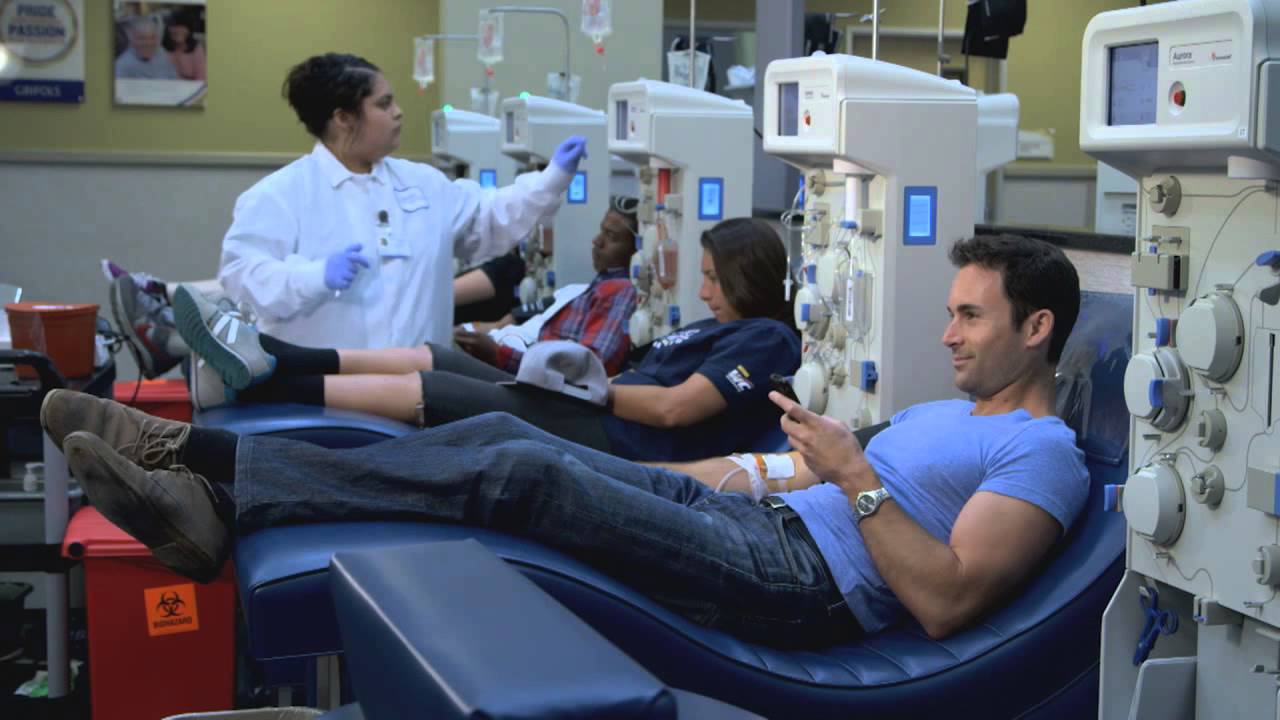
Grifols Plasma Donor to Patient YouTube
But blood clots that occur within arteries or veins can be dangerous and even life. Blood clots can develop in veins or arteries, disrupting blood flow and potentially leading to serious conditions. Learn the types, causes, symptoms, diagnosis, treatment, complications, and prevention of blood clots.
Webmd explains how the blood clots for better.
Blood clots can cause different problems depending on where they are in your body. Blood clots can occur without any noticeable symptoms, but when symptoms do appear, they vary depending on the location of the clot, such as in the arm, leg, lungs, heart,. Symptoms of a blood clot vary depending on the location, but. Blood clots can occur anywhere along the 60,000 miles of blood vessels in your body — and the symptoms can vary based on the type of clot you have, where it is and your.
They may prevent blood flow, causing conditions like deep vein thrombosis or pulmonary embolism. Learn about the genetic and acquired causes of hypercoagulation (when your blood clots more easily than is typical), as well as symptoms and treatment.